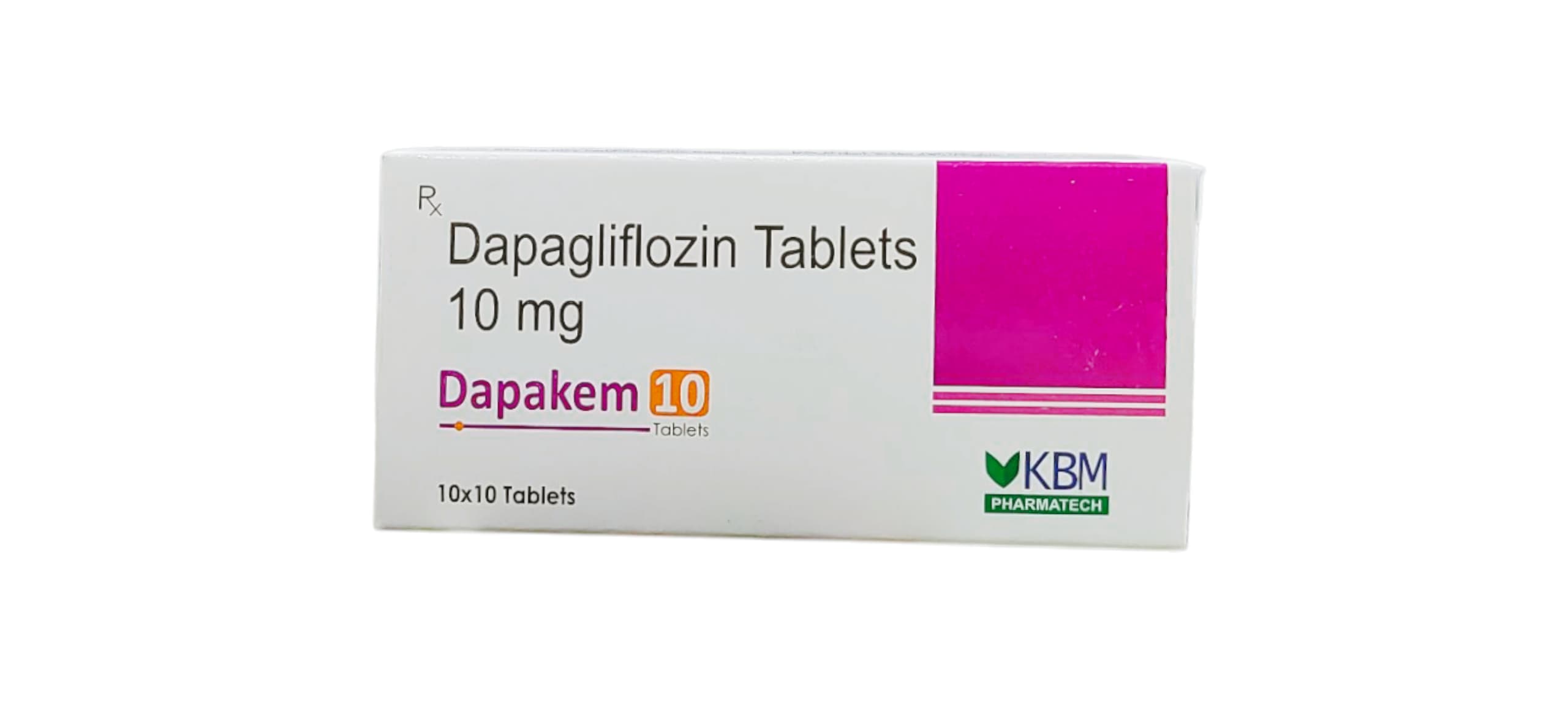
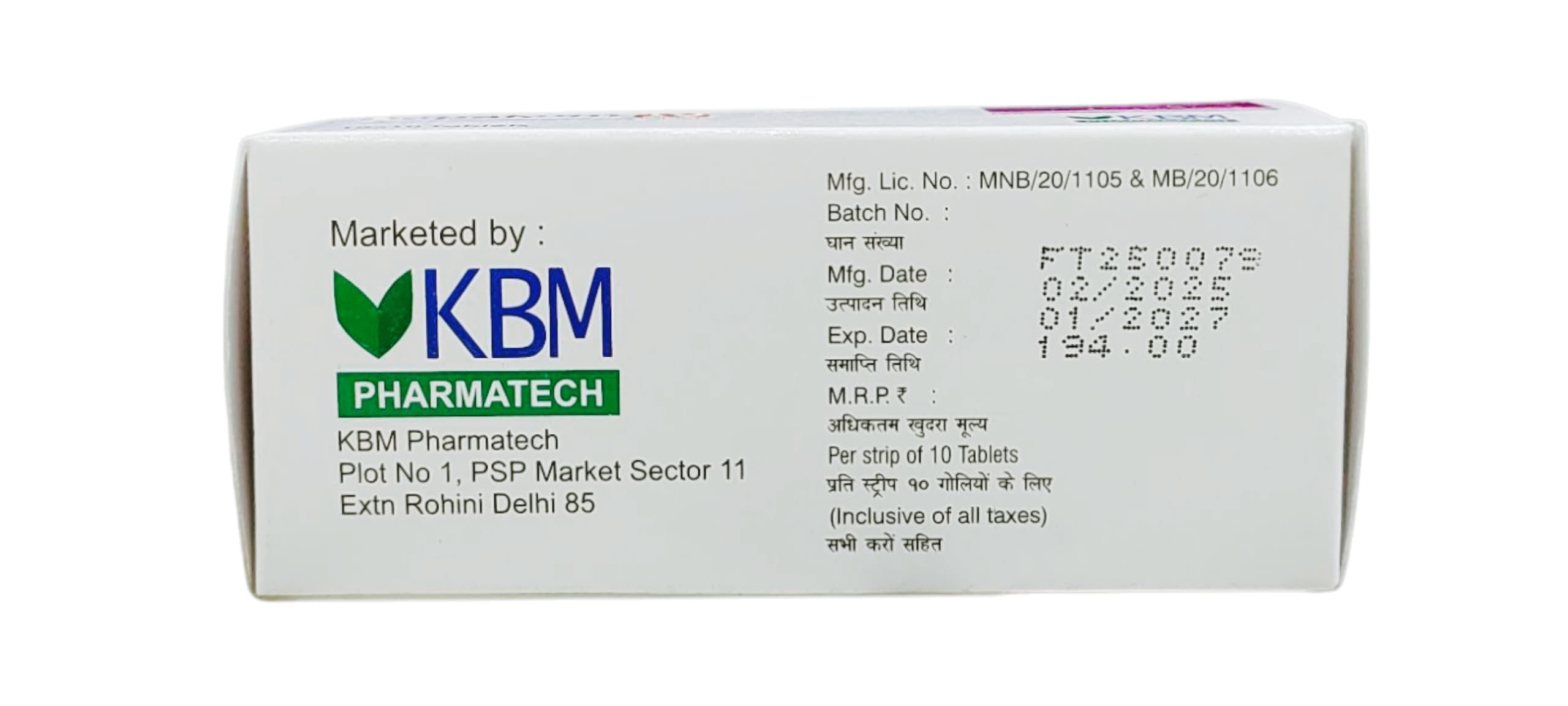
Usage of Dapakem 10
Dapakem 10 is indicated for:
-
Type 2 Diabetes Mellitus (T2DM) – as monotherapy or in combination
-
Heart Failure with Reduced Ejection Fraction (HFrEF) – even in non-diabetics
-
Chronic Kidney Disease (CKD) – to slow progression and reduce hospitalization
-
Obese or overweight diabetic patients – supports weight loss and BP control
Mechanism of Action
-
Blocks SGLT2 in the proximal renal tubules → prevents glucose reabsorption
-
Promotes urinary glucose excretion → lowers plasma glucose
-
Mild osmotic diuresis and natriuresis → reduces preload and BP
-
Improves cardiovascular outcomes via multiple mechanisms (hemodynamic, metabolic, renal)
Key Benefits
✅ Reduces HbA1c by 0.5–1%
✅ Promotes weight loss (2–3 kg)
✅ Lowers systolic BP (~4–6 mmHg)
✅ Cardio-renal protection in HF and CKD patients
✅ Low risk of hypoglycemia when used alone
Common Side Effects
-
Increased urination
-
Genital mycotic infections (e.g., candidiasis)
-
Urinary tract infections
-
Dehydration, hypotension (esp. in elderly)
-
Rare: Diabetic ketoacidosis (even with normal blood sugar – euglycemic DKA)
Precautions
-
Not recommended in Type 1 diabetes mellitus
-
Avoid in patients with eGFR < 30 mL/min/1.73 m²
-
Caution in elderly and volume-depleted patients
-
Monitor for DKA symptoms: nausea, vomiting, abdominal pain, breathlessness
-
Not advised during pregnancy or lactation
Drug Interactions
-
May enhance effects of diuretics → risk of dehydration
-
Increased risk of hypoglycemia when used with insulin or sulfonylureas
-
No major CYP interactions; minimal hepatic metabolism
Dosage & Administration
-
Usual dose: 10 mg once daily, with or without food
-
Renal Dose Adjustments:
-
eGFR ≥ 45: Use with monitoring
-
eGFR < 30: Not recommended for glycemic control
-
-
Can be used as monotherapy or add-on to metformin, DPP-4 inhibitors, sulfonylureas, insulin
Storage
-
Store below 25°C
-
Keep away from moisture and sunlight
-
Protect from children
Patient Counseling Points
-
Maintain good genital hygiene to prevent infections
-
Stay hydrated, especially during hot weather
-
Report signs of UTIs or genital irritation promptly
-
Do not skip meals even if blood sugar improves
-
Inform doctor if experiencing abdominal pain, deep breathing, or fatigue (signs of DKA)