
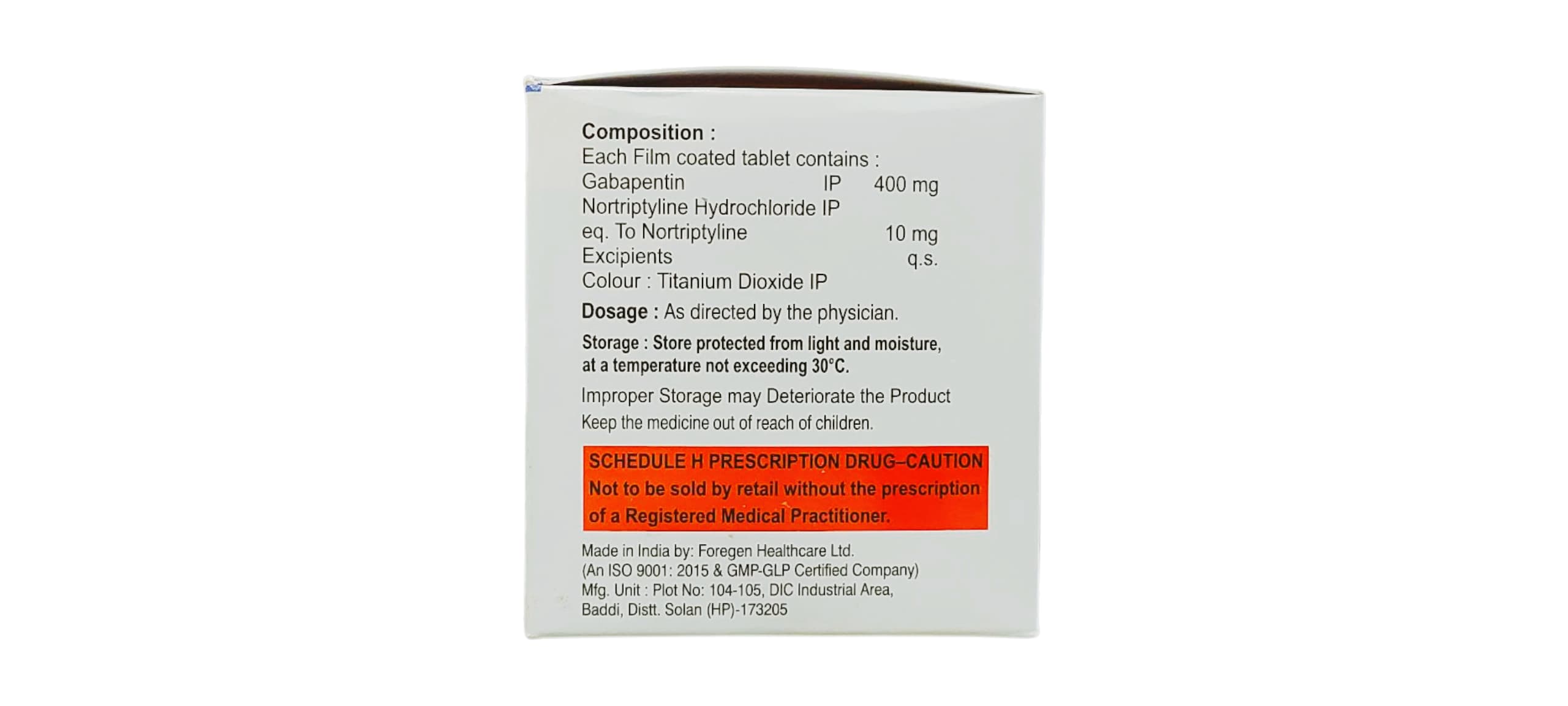

Usage of Nutam Plus
-
Diabetic peripheral neuropathy
-
Post-herpetic neuralgia
-
Trigeminal neuralgia
-
Cervical/lumbar radiculopathy
-
Fibromyalgia
-
Chronic low back pain with neuropathic features
-
Neuropathy secondary to chemotherapy or HIV
-
Central sensitization disorders
Common Side Effects
-
Gabapentin-related: Dizziness, drowsiness, fatigue, ataxia, weight gain
-
Nortriptyline-related: Dry mouth, constipation, orthostatic hypotension, blurred vision
-
Others: Mild cognitive slowing, edema, mood alterations (rare)
Most side effects are transient and dose-related, and can be minimized by starting low and titrating gradually.
Precautions
-
Use caution in renal impairment – Gabapentin is renally excreted
-
Caution in cardiac disorders, especially in patients at risk of arrhythmia (due to nortriptyline)
-
Avoid abrupt discontinuation – risk of withdrawal symptoms and rebound pain
-
Caution in elderly patients due to risk of sedation and falls
-
Not advised in pregnancy and lactation unless clearly indicated
-
Monitor for suicidal ideation, especially during treatment initiation
Drug Interactions
-
Alcohol and CNS depressants: Additive sedative effects
-
MAO inhibitors: Contraindicated with nortriptyline
-
SSRIs/SNRIs: Risk of serotonin syndrome (rare, but caution advised)
-
Anticholinergics: Additive side effects with nortriptyline (dry mouth, constipation)
-
Opioids: Risk of enhanced CNS depression
Dosage and Administration
-
Typically once or twice daily, based on physician assessment
-
Usually taken after food to reduce gastric irritation
-
Initiate at night to reduce daytime sedation
-
Titrate slowly based on clinical response and tolerability
Storage
-
Store below 25°C, in a dry place away from light
-
Keep out of reach of children
Patient Counselling Tips
-
May cause drowsiness or dizziness—avoid alcohol and driving
-
Inform the doctor of any mood changes, palpitations, or swelling
-
Maintain a consistent dosing schedule
-
Do not stop suddenly—tapering required
-
Inform about delayed onset—clinical effect usually seen within 1–2 weeks
-
Emphasize adherence even if pain improves, as neuropathic pain tends to recur with discontinuation